Tinnitus is the sound of ringing, buzzing, hissing or roaring that no one else can hear. It is most often linked to hearing loss or noise exposure, and while there is no single cure, there are effective ways to make it less noticeable and less bothersome: treating any hearing loss, sound therapy and cognitive behavioral therapy (CBT) have the strongest support.
What tinnitus is
Tinnitus is a symptom, not a disease. Mayo Clinic estimates it affects about 15% to 20% of people, and the NIDCD reports that roughly 10% of U.S. adults have had tinnitus lasting at least five minutes in the past year. For most it is mild and occasional; for some it is constant and affects sleep, concentration and mood.
Most tinnitus is subjective, meaning only you can hear it. It often reflects changes in how the brain processes sound after the inner ear has been damaged, which is why it so often goes hand in hand with hearing loss.
Common causes
- Age-related hearing lossThe most common association.
- Loud noiseFrom work, firearms, power tools or music. Even one very loud event can trigger it.
- Earwax blockage or ear infectionsOften improves once treated.
- MedicationsSome antibiotics, anti-inflammatory drugs, chemotherapy drugs and high doses of aspirin can cause or worsen tinnitus.
- Ménière's diseaseTinnitus with episodes of vertigo, ear fullness and fluctuating hearing loss.
- Jaw and neck problemsIncluding TMJ disorders.
- Health conditionsSuch as high blood pressure, diabetes or thyroid disorders.
When tinnitus needs a closer look
Most tinnitus isn't dangerous, but some patterns deserve an exam promptly:
- Tinnitus in one ear only
- Pulsing in time with your heartbeatCalled pulsatile tinnitus, which can have vascular causes.
- Sudden hearing loss with the tinnitusTreat as urgent.
- Dizziness or vertigo with the tinnitus
- Tinnitus after a head injury
- Tinnitus that affects sleep, mood or daily life
How it's evaluated
An evaluation usually includes a history of your symptoms and medications, an ear exam and a hearing test. Depending on the findings, imaging or other tests may be recommended, for example for one-sided or pulsatile tinnitus. The goal is to find anything treatable and to understand your hearing, since that shapes the management plan.
What actually helps
- Treating the underlying causeRemoving earwax, treating an infection or adjusting a medication with your doctor's guidance can reduce tinnitus.
- Hearing aids for hearing lossAmplifying outside sound often makes tinnitus less noticeable, and many hearing aids include tinnitus sound features.
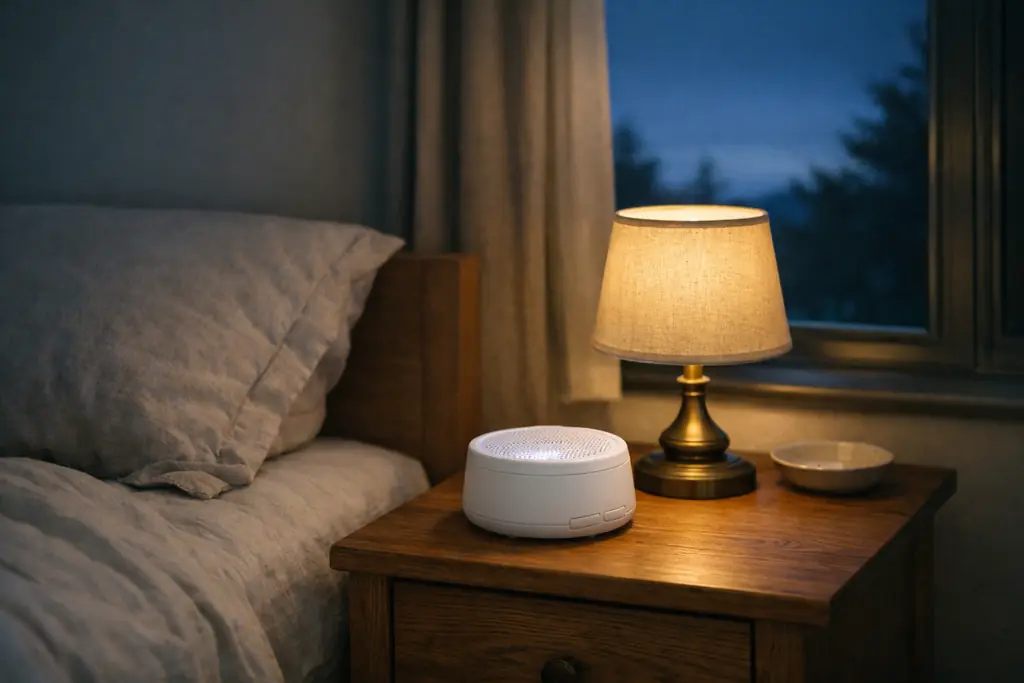
- Sound therapyLow-level background sound from a fan, white noise machine or app reduces the contrast between tinnitus and silence, especially at bedtime.
- Cognitive behavioral therapy (CBT)The AAO-HNS tinnitus guideline recommends CBT for persistent, bothersome tinnitus. It doesn't remove the sound but reduces distress and its impact on life.
- Tinnitus retraining therapy (TRT)Combines sound therapy with counseling to help the brain tune the tinnitus out over time.
- Treating sleep problems, anxiety or depressionThese make tinnitus feel louder and are worth addressing directly.
What the evidence doesn't support
The AAO-HNS clinical practice guideline recommends against routinely using medications, dietary supplements such as ginkgo biloba, melatonin or zinc, or transcranial magnetic stimulation as treatments for persistent tinnitus, because studies haven't shown consistent benefit. Be cautious with products that promise a cure.
Everyday steps
- Protect your hearingWear earplugs or earmuffs when mowing, shooting, using power tools or at loud events.
- Avoid silence at nightA fan or soft sound can make it easier to fall asleep.
- Limit things that make it worse for youSome people notice changes with caffeine, alcohol, stress or poor sleep.
- Stay active and socialFocusing on other things helps tinnitus fade into the background.
Living with tinnitus day to day
Tinnitus tends to feel louder when you focus on it, when you're tired or stressed, and in quiet rooms. Much of what helps is about changing that relationship, so the sound fades into the background the way a refrigerator hum does.
- Don't over-protect in normal quietWear hearing protection for loud noise, but wearing earplugs all the time in normal settings can make tinnitus more noticeable.
- Keep a simple logNote when tinnitus is louder or softer. Patterns around sleep, caffeine, stress or noise can guide what to change.
- Use sound during focused workSoft background music or nature sounds can help at a desk or while reading.
- Practice relaxationBreathing exercises, walking and regular exercise lower stress, which often lowers how much tinnitus bothers you.
- Connect with othersSupport groups and the American Tinnitus Association offer education and community.
Why a hearing test is part of every tinnitus visit
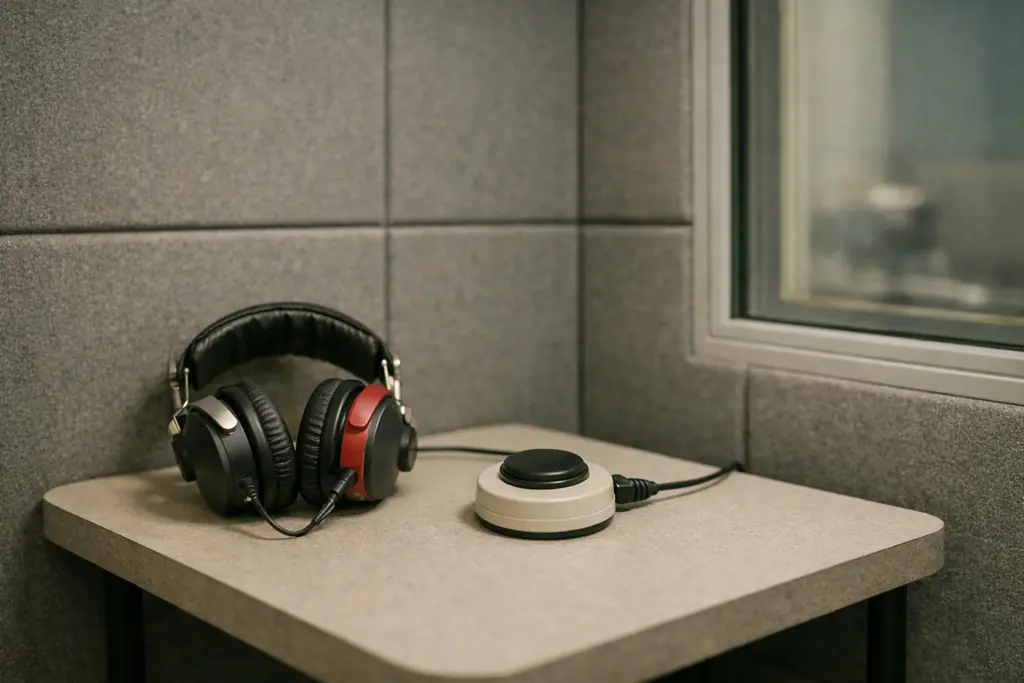
Because tinnitus so often accompanies hearing loss, a hearing test is one of the most useful steps in an evaluation. It can reveal hearing loss you hadn't noticed, especially at high pitches, and it helps determine whether hearing aids could reduce the tinnitus.
The test also creates a baseline. If your tinnitus or hearing changes later, a new test can be compared with the first one. And if the results show a difference between the two ears, your doctor may recommend further evaluation to rule out less common causes.
More to know
It is also worth knowing that tinnitus is very common after loud events and often fades within a day or two. If it doesn't, or if it keeps returning after noise exposure, that is a sign the ears need more protection. For people who have had tinnitus for years, the goal of treatment is usually habituation, the point where the brain treats the sound as unimportant and stops noticing it most of the time. Many people reach that point with a combination of hearing care, sound enrichment and support, even if the sound never completely disappears. Progress is often gradual, measured in months rather than days, so patience and steady use of the strategies that help are important. If tinnitus is affecting your sleep, mood or work, say so directly at your visit, because that changes which treatments are recommended.
Tinnitus care in Granbury and Weatherford
Texas Sinus and Allergy evaluates tinnitus with an ENT exam and on-site hearing testing. If hearing aids are recommended, they're fitted at our sister practice, Clear Choice Hearing Center. Learn more on our tinnitus page, see the American Tinnitus Association for support resources, or call 682-936-4081.
Frequently asked questions
Will my tinnitus go away?
Tinnitus from a temporary cause, like earwax or a loud concert, often fades. Long-standing tinnitus usually doesn't disappear completely, but many people find it becomes much less noticeable with treatment and time.
Can hearing aids help tinnitus?
For people with hearing loss, hearing aids often make tinnitus less noticeable by bringing back outside sounds, and many include built-in sound therapy options.
Is ringing in one ear serious?
It is often harmless, but tinnitus in one ear only, pulsing tinnitus, or tinnitus with sudden hearing loss or dizziness should be checked by a doctor promptly.
Do supplements help tinnitus?
The AAO-HNS guideline recommends against routinely using supplements such as ginkgo biloba, melatonin or zinc for persistent tinnitus, because studies haven't shown consistent benefit.
What helps tinnitus at night?
Background sound from a fan, white noise machine or app reduces the contrast with silence and can make it easier to fall asleep.
Questions about your symptoms?
Dr. Bhaloo sees patients in Granbury Tuesday through Friday and in Weatherford on Mondays. One number books both offices.
This article is for general information, not medical advice. Please see a physician for diagnosis and treatment.