The main difference is time. An acute sinus infection usually follows a cold and clears up within a few weeks, most often without antibiotics. Chronic sinusitis is sinus inflammation that lasts 12 weeks or longer, even with treatment, and it usually needs a different plan: finding and treating what keeps the sinuses inflamed.
How the sinuses work
The sinuses are air-filled spaces in the cheekbones, forehead and behind the nose. They are lined with a thin membrane that makes mucus, which normally drains through small openings into the nose. When that lining swells, from a virus, allergies or other irritation, the openings can narrow or close. Mucus builds up, pressure rises, and the stage is set for congestion, pain and sometimes infection.
Acute sinusitis (a sinus infection)
Acute sinusitis usually starts with a cold. Common symptoms include a stuffy nose, thick discolored drainage, facial pain or pressure, a reduced sense of smell, cough and sometimes fever or tooth pain. The American Academy of Otolaryngology–Head and Neck Surgery (AAO-HNS) defines acute sinusitis as symptoms lasting up to four weeks.
Most cases are caused by viruses. According to the CDC, antibiotics don't help viral sinus infections, and most people get better within about a week to ten days with supportive care. Doctors become more suspicious of a bacterial infection when:
- Symptoms last more than 10 days without improving
- Symptoms improve and then suddenly get worseSometimes called double worsening.
- Symptoms are severe from the startFor example, a high fever with significant facial pain for several days.
For a typical viral sinus infection, saline rinses, rest, fluids, warm compresses and over-the-counter pain relievers can help. A short course of a decongestant spray may ease congestion, but those sprays shouldn't be used for more than about three days, because longer use can cause rebound congestion.
Chronic sinusitis
Chronic rhinosinusitis is diagnosed when at least two of the main symptoms last 12 weeks or more and there is objective evidence of inflammation on an exam or CT scan. The main symptoms are:
- Nasal blockage or congestion
- Thick drainage from the front or back of the noseIncluding post-nasal drip.
- Facial pain, pressure or fullness
- A reduced or lost sense of smell
Many people with chronic sinusitis also notice fatigue, headaches, bad breath, ear fullness or a cough that is worse at night. Fever is less common than with an acute infection. Our chronic sinusitis guide covers the condition in more depth.
What keeps the sinuses inflamed
Chronic sinusitis isn't one disease with one cause. Several factors can work together, and identifying them is a big part of an ENT evaluation:
- AllergiesAllergic rhinitis keeps the nasal lining swollen. In North Texas, long pollen seasons can make this a year-round issue.
- Nasal polypsSoft, non-cancerous growths in the nose and sinuses that block drainage and smell.
- A deviated septum or enlarged turbinatesStructural narrowing that limits airflow and drainage.
- Repeated infectionsEach infection can leave the lining more inflamed.
- Immune system conditionsIncluding cystic fibrosis and some immune deficiencies.
- Smoke and irritantsTobacco smoke and some workplace exposures irritate the sinus lining.
How an ENT diagnoses the problem
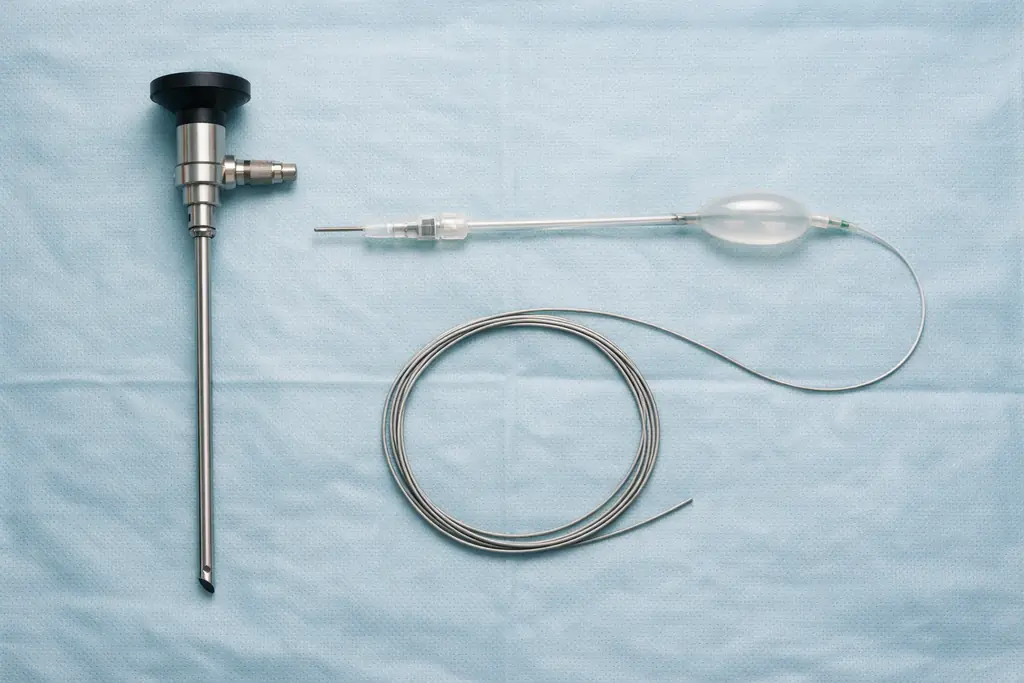
An ENT visit for sinus symptoms usually includes a detailed history and a nasal endoscopy, in which a thin camera is passed into the nose to look at the sinus openings and the lining. A CT scan may be ordered to see the sinuses in detail, especially if surgery or balloon sinuplasty is being considered. Allergy testing can show whether allergies are contributing, and a culture may be taken if an infection isn't clearing.
Treatment for chronic sinusitis
Treatment aims to reduce inflammation, improve drainage and address the underlying cause. Common options include:
- Saline irrigationRinsing the nose daily with salt water to clear mucus and irritants. Use distilled, sterile or previously boiled water, as the CDC and FDA advise.
- Nasal steroid sprays or rinsesTo calm inflammation in the nasal and sinus lining.
- Allergy treatmentAvoiding triggers, medication and, for some people, allergy shots.
- Antibiotics when there is a bacterial infectionNot as routine long-term treatment.
- Procedures when medicine isn't enoughIncluding balloon sinuplasty and minimally invasive endoscopic sinus surgery.
If you've been through repeated rounds of antibiotics and steroid sprays and still don't feel well, read about balloon sinuplasty in Granbury and Weatherford and how candidates are chosen.
Acute vs. chronic at a glance
- How long it lastsAcute: up to four weeks. Chronic: 12 weeks or more.
- Usual causeAcute: most often a virus. Chronic: ongoing inflammation with several possible contributors.
- FeverMore common with acute infections.
- AntibioticsAcute: only for suspected bacterial infection. Chronic: sometimes for flare-ups, not a cure on their own.
- Main goal of treatmentAcute: comfort while it clears. Chronic: control inflammation and fix what blocks drainage.
Warning signs that need urgent care
Sinus infections rarely spread beyond the sinuses, but it can happen. Seek urgent care for swelling or redness around the eyes, vision changes, a severe headache, confusion, a stiff neck or a high fever that won't come down.
Daily habits for healthier sinuses
Whether you're recovering from an infection or managing chronic sinusitis, small habits make a real difference over time. They don't replace treatment, but they help the lining of the nose and sinuses stay calmer between visits.
- Rinse correctlyLean over the sink, keep your mouth open and let the saline flow in one nostril and out the other. Clean the bottle or pot after each use and let it air dry.
- Aim nasal sprays slightly outwardPointing the spray toward the outer wall of the nose, away from the septum, reduces irritation and nosebleeds.
- Stay hydratedFluids help keep mucus thin enough to drain.
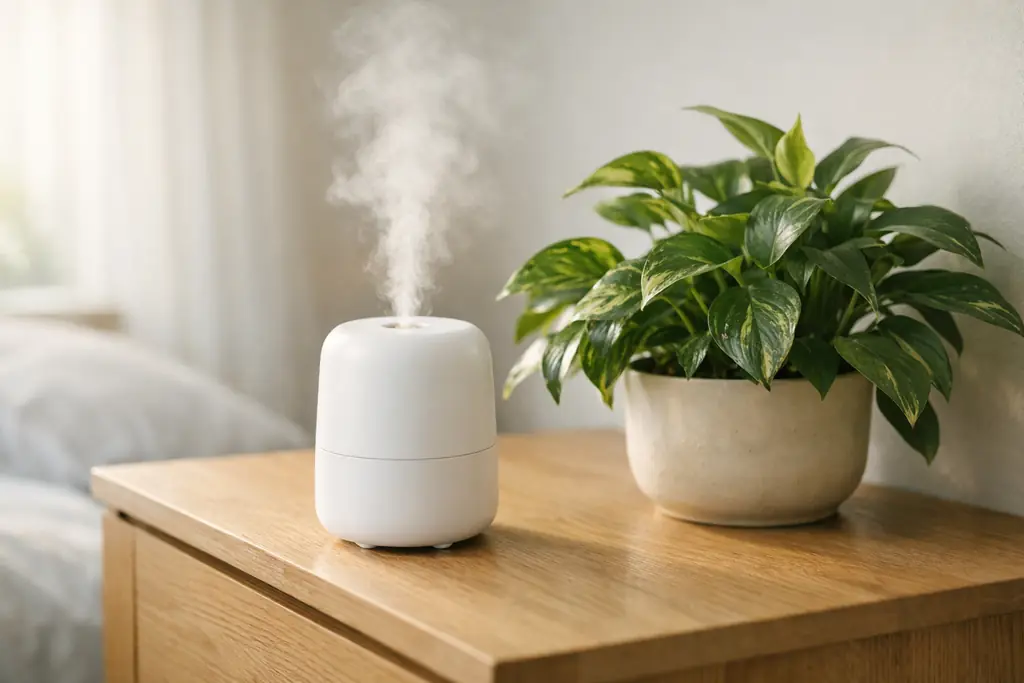
- Add humidity in dry weatherA clean humidifier can help during dry North Texas winters. Clean it often so it doesn't grow mold.
- Avoid smokeTobacco smoke, including secondhand smoke, irritates the sinus lining and slows healing.
- Plan for your allergy seasonIf spring oak or winter cedar sets off your sinuses, start allergy treatment before the season peaks.
- Sleep with your head slightly raisedAn extra pillow can ease post-nasal drip and nighttime congestion.
Sinus care in Granbury and Weatherford
Dr. Salim Bhaloo has treated sinus disease in Hood and Parker County since 2004, using advanced sinus diagnostic equipment in the office. Appointments are available at the Granbury office Tuesday through Friday and at the Weatherford office on Mondays. Call 682-936-4081 to schedule.
Frequently asked questions
How do I know if my sinus infection is bacterial?
Doctors suspect a bacterial infection when symptoms last more than 10 days without improving, get worse after first getting better, or start out severe with high fever and facial pain. Most sinus infections are viral and improve on their own.
Can chronic sinusitis go away on its own?
Sometimes symptoms ease, but chronic sinusitis usually needs ongoing treatment of the underlying inflammation, such as saline rinses, steroid sprays and allergy care. When those aren't enough, a procedure may help.
Is chronic sinusitis contagious?
Chronic sinusitis itself isn't contagious, because it is long-term inflammation. A cold virus that sets off an acute sinus infection can spread to others.
Do I need a CT scan for sinus problems?
Not always. A CT scan is most useful when symptoms are chronic, when the diagnosis is unclear, or when a procedure is being planned.
Can allergies cause chronic sinusitis?
Allergies are one of the common contributors. Ongoing allergic swelling of the nasal lining can block sinus drainage, so treating allergies is often part of the plan.
Questions about your symptoms?
Dr. Bhaloo sees patients in Granbury Tuesday through Friday and in Weatherford on Mondays. One number books both offices.
This article is for general information, not medical advice. Please see a physician for diagnosis and treatment.