Large studies have consistently found that hearing loss is linked with a higher risk of cognitive decline and dementia, and the Lancet Commission on dementia lists hearing loss among the major potentially modifiable risk factors. Research hasn't proven that hearing aids prevent dementia, but treating hearing loss is safe, improves daily life, and in some studies has been associated with slower cognitive decline.
What researchers have found
Over the past two decades, long-term studies following thousands of older adults have found that people with hearing loss tend to show faster declines in memory and thinking, and are more likely to develop dementia, than people with normal hearing. The more severe the hearing loss, the stronger the association tends to be.
In 2020, and again in its 2024 update, the Lancet Commission on dementia prevention, intervention and care named hearing loss as a significant potentially modifiable risk factor for dementia, meaning it is something that can be addressed, unlike age or genetics.
Why hearing loss may affect the brain
Researchers are still working out the exact mechanisms. Main explanations include:
- Cognitive loadWhen hearing is poor, the brain works harder to make sense of sound, which may leave fewer resources for memory and thinking.
- Social isolationDifficulty following conversations can lead people to withdraw, and social isolation is itself linked with cognitive decline.
- Changes in brain structureReduced sound input may be associated with changes in parts of the brain involved in hearing and memory.
- Shared causesSome factors, such as vascular disease, may affect both hearing and the brain.
Do hearing aids help?
This is the key question, and the evidence is encouraging but still developing. Several observational studies have found that people who use hearing aids tend to have slower cognitive decline than people with untreated hearing loss. Because those studies can't fully separate cause from effect, researchers also ran a large randomized trial.
The ACHIEVE trial, published in The Lancet in 2023, compared a hearing intervention, including hearing aids and counseling, with a health education program in older adults. Overall, the hearing intervention didn't significantly slow cognitive decline across the whole group over three years. However, among participants already at higher risk for cognitive decline, the hearing intervention was associated with slower decline. Researchers continue to study who benefits most.
What's clear is that treating hearing loss improves communication, social connection and quality of life, which are worth protecting on their own.
Signs that hearing may be slipping
- Frequently asking people to repeat themselves
- Trouble following conversations in groups or restaurants
- Turning up the TV or radio
- Avoiding social activities that used to be enjoyable
- Feeling worn out after conversations
See signs of hearing loss and when to get a hearing test for a fuller checklist.
What you can do
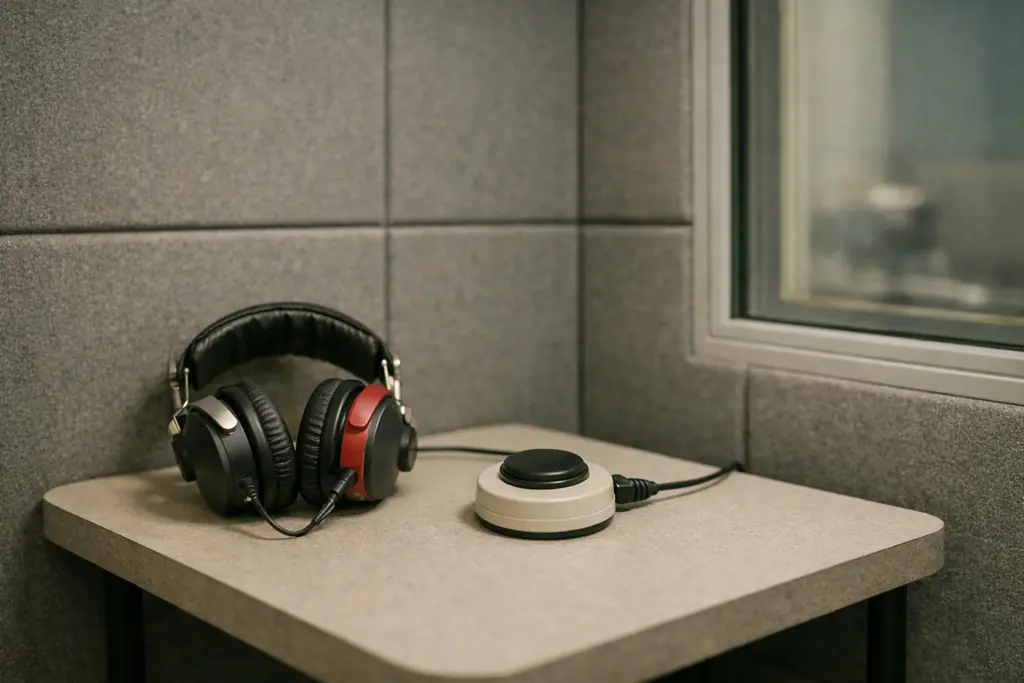
- Get a baseline hearing testEspecially if you are over 50 or have noticed changes.
- Treat hearing loss when it is foundHearing aids, removing earwax or treating ear disease, depending on the cause.
- Wear hearing aids consistentlyBenefits depend on regular use, and fitting and follow-up adjustments matter.
- Protect the hearing you haveUse ear protection around loud noise and firearms.
- Stay socially and mentally activeConversation, hobbies and community all support brain health.
- Look after overall healthBlood pressure, blood sugar, physical activity and not smoking matter for both hearing and the brain.
Talking with a family member
Many people resist the idea of a hearing test. It can help to focus on specific situations, like phone calls, church, grandchildren's voices or restaurants, rather than on hearing aids. Offer to go to the appointment together. A hearing test is quick, painless and gives everyone real information to work with.
If you're worried about memory
Hearing loss can make memory problems look worse than they are, because it is hard to remember what you didn't hear clearly. If you or a family member is concerned about memory or thinking, talk with a primary care doctor, who can evaluate cognitive changes and coordinate care. Checking hearing is a useful part of that process.
Getting used to hearing aids
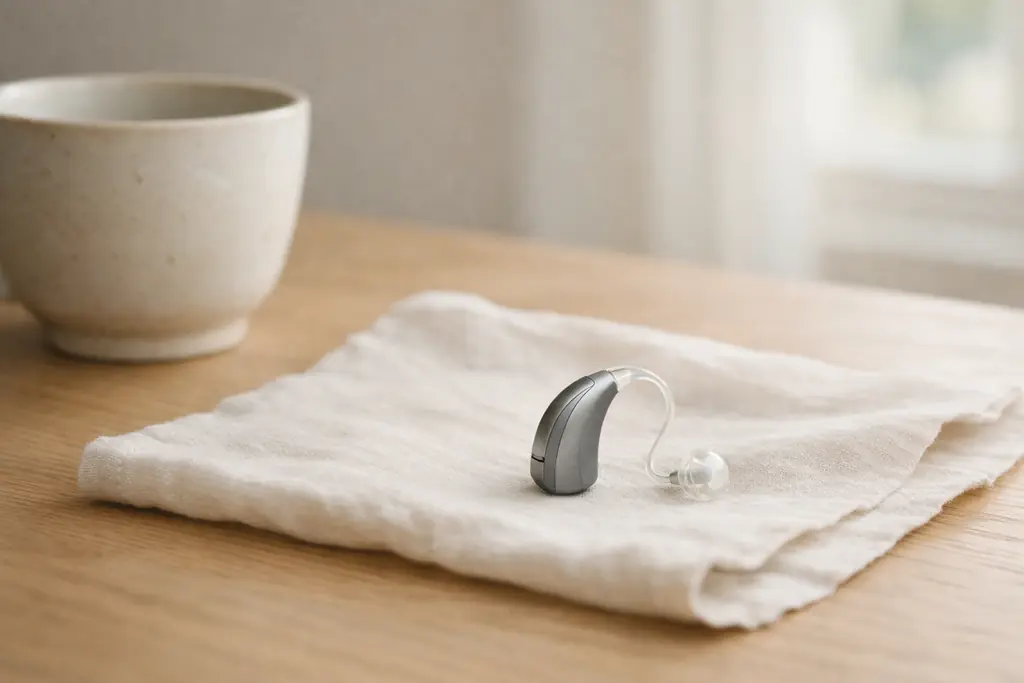
Hearing aids work well when expectations are realistic and follow-up is part of the plan. Many people have lived with gradual hearing loss for years, so the brain needs time to adjust to sounds it hasn't heard clearly in a while.
- Expect an adjustment periodEveryday sounds like footsteps, paper rustling and your own voice may seem loud at first. This usually settles over a few weeks of regular use.
- Wear them every dayConsistent daily use helps the brain adapt faster than occasional use.
- Go to follow-up appointmentsFine-tuning the settings after you've worn the aids in your real life makes a big difference.
- Noise is still challengingHearing aids help in restaurants and groups, but they don't make noisy places effortless. Sitting with your back to the noise and facing the speaker helps.
- Know your optionsIn 2022 the FDA created a category of over-the-counter hearing aids for adults with perceived mild to moderate hearing loss. Prescription hearing aids fitted by a professional remain an option for all degrees of loss, and an exam first can rule out treatable causes such as earwax or ear disease.
Family members can help too: get the listener's attention before speaking, face them, speak clearly without shouting, and rephrase rather than repeat when something is missed.
More to know
It is also worth remembering that hearing is only one part of brain health. Researchers studying dementia risk point to a group of factors that can be addressed across life, including blood pressure, diabetes, physical activity, smoking, alcohol, depression, social contact, vision and education. Hearing stands out because it is common, easy to test and treatable, which makes a hearing check one of the simpler steps you can take. If you or a family member has noticed hearing changes, scheduling a hearing test is a practical place to start, and it gives you a baseline for the years ahead.
Hearing care in Granbury and Weatherford
Texas Sinus and Allergy offers on-site hearing testing with Dr. Salim Bhaloo's ENT evaluation, and our sister practice, Clear Choice Hearing Center, fits and services hearing aids. Learn more on our hearing and cognition page, or call 682-936-4081 to book in Granbury or Weatherford.
Frequently asked questions
Does hearing loss cause dementia?
Studies show a strong link, and hearing loss is considered a potentially modifiable risk factor. But a link isn't proof of cause, and many people with hearing loss never develop dementia.
Can hearing aids prevent dementia?
That hasn't been proven. The ACHIEVE trial found slower cognitive decline with a hearing intervention among older adults at higher risk, but not across all participants. Hearing aids do clearly improve communication and quality of life.
At what age should I get my hearing tested?
Anyone with signs of hearing loss should be tested at any age. Many people find a baseline test in middle age helpful, with follow-up tests as recommended.
Can untreated hearing loss make memory seem worse?
Yes. It is hard to remember information you didn't hear clearly, and listening effort can be tiring, which can make memory seem worse than it is.
Where can I get a hearing test near Granbury or Weatherford?
Texas Sinus and Allergy offers on-site hearing testing. Call 682-936-4081 to schedule at either office.
Questions about your symptoms?
Dr. Bhaloo sees patients in Granbury Tuesday through Friday and in Weatherford on Mondays. One number books both offices.
This article is for general information, not medical advice. Please see a physician for diagnosis and treatment.