Vertigo, a false sense that you or the room is spinning, often comes from the inner ear. The most common cause is benign paroxysmal positional vertigo (BPPV), which brings brief spinning with certain head movements and is usually treatable in the office. But sudden dizziness with weakness, numbness, slurred speech, vision changes or trouble walking can be a stroke and needs 911 right away.
Dizziness isn't one thing
Describing exactly what you feel helps a doctor narrow down the cause:
- VertigoSpinning or a sense of motion, which often points to the inner ear or its connections to the brain.
- LightheadednessFeeling faint or about to pass out, often related to blood pressure, dehydration, medications or the heart.
- ImbalanceUnsteadiness on your feet, which can come from the inner ear, nerves, vision, joints or the brain.
How the inner ear controls balance
Each inner ear contains the vestibular system: three fluid-filled semicircular canals that sense rotation, and two organs that sense gravity and straight-line motion. They send signals to the brain, which combines them with information from the eyes and from the muscles and joints. When one side sends a mismatched signal, the brain interprets it as motion, and the result is vertigo.
Common inner-ear causes
- BPPV (benign paroxysmal positional vertigo)Tiny calcium crystals move into a semicircular canal. Rolling over in bed, looking up or bending down triggers short bursts of spinning, usually less than a minute. It is the most common cause of vertigo.
- Vestibular neuritis and labyrinthitisInflammation of the balance nerve or inner ear, often after a viral illness. It causes sudden, severe vertigo that lasts days and slowly improves. Labyrinthitis also affects hearing.
- Ménière's diseaseEpisodes of vertigo lasting 20 minutes to hours, with fluctuating hearing loss, tinnitus and a feeling of fullness in the ear, according to the NIDCD.
- Vestibular migraineVertigo or dizziness linked to migraine, sometimes without a headache.
- Other ear causesIncluding middle ear problems and, rarely, a benign tumor on the balance nerve.
Warning signs: when to call 911
Some strokes cause dizziness. Call 911 if vertigo or dizziness comes on suddenly with any of the following:
- Weakness or numbness of the face, arm or leg
- Slurred speech or trouble understanding speech
- Double vision or loss of vision
- Trouble walking or severe loss of coordination
- A sudden, severe headache
The CDC's stroke message is simple: act fast, and note the time symptoms started.
How vertigo is evaluated
An evaluation starts with a detailed history: what the dizziness feels like, how long episodes last, what triggers them and whether hearing changes come with them. The exam includes checking eye movements, because the inner ear and eyes are closely connected.
- Positional testingManeuvers such as the Dix-Hallpike test can confirm BPPV by briefly provoking vertigo and characteristic eye movements.
- Hearing testingImportant for Ménière's disease and other inner-ear conditions.
- Vestibular testingSpecialized tests measure how each inner ear and its balance pathways are working.
- ImagingRecommended in some cases, such as one-sided hearing loss or neurological signs.
Treatment
- Canalith repositioning for BPPVA series of head movements, such as the Epley maneuver, guides the crystals back to where they belong. The AAO-HNS BPPV guideline recommends repositioning as treatment, and it often works in one or a few sessions.
- Short-term medication for severe episodesTo control nausea and vertigo, but not for long-term use, since it can slow the brain's recovery.
- Vestibular rehabilitationExercises, often with a physical therapist, that help the brain adapt after an inner-ear injury.
- Ménière's disease managementCan include limiting salt, medications and other treatments to reduce attacks.
- Treating migraineWhen vestibular migraine is the cause.
Staying safe while dizzy
- Sit or lie down when vertigo starts
- Get up slowlyEspecially at night.
- Use night lights and remove tripping hazards
- Don't drive during episodes
Dizziness, falls and older adults
The CDC reports that falls are a major cause of injury among adults 65 and older, and dizziness and imbalance raise that risk. Inner-ear problems, medications, low blood pressure on standing, vision changes and weak leg muscles often combine. Addressing the ones that can be changed lowers the chance of a fall.
- Review your medicationsSome blood pressure medicines, sleep aids, antihistamines and other drugs can cause dizziness. Ask your doctor or pharmacist to review them, and don't stop a prescription on your own.
- Have your vision checkedClear vision helps the brain compensate for an inner ear that isn't working well.
- Strengthen and practice balanceExercise programs and vestibular rehabilitation improve stability.
- Make the home saferGrab bars, good lighting, secured rugs and stair rails all help.
Can BPPV be treated at home?
Repositioning maneuvers like the Epley maneuver are usually done in the office first, after the diagnosis is confirmed and the affected ear and canal are identified. Doing the wrong maneuver, or treating dizziness that isn't BPPV, won't help and can delay the right care.
Once BPPV is confirmed, some people are taught how to perform a maneuver at home if it comes back, which it can. If vertigo returns with new symptoms, such as hearing loss, a severe headache or any neurological signs, get evaluated again rather than treating it yourself.
More to know
Keeping a short diary of dizzy spells is a helpful thing you can bring to an appointment. Note when each episode started, how long it lasted, what you were doing, whether the room spun or you felt faint or unsteady, and whether hearing changes, ear fullness, ringing, headache or nausea came with it. Those details often point toward the cause before any testing begins. If you have had a recent viral illness, head injury, new medication or a change in blood pressure, mention that as well. And if episodes are getting more frequent or severe, don't wait for the next one to call. Bringing a list of your medications, including over-the-counter products, also helps. Your answers help decide which tests, if any, are needed.
Balance testing in Granbury and Weatherford
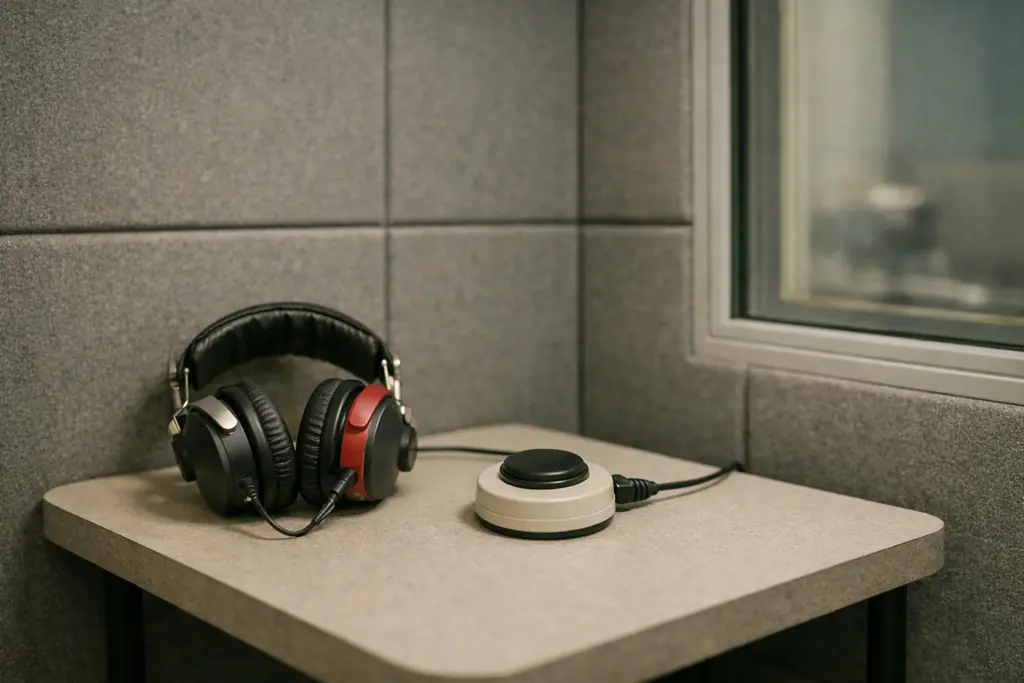
Texas Sinus and Allergy offers on-site hearing testing and vestibular testing to look for middle and inner ear causes of dizziness and vertigo. Dr. Salim Bhaloo can review your symptoms and test results and recommend next steps. Call 682-936-4081 to book at the Granbury office or the Weatherford office.
Frequently asked questions
What is the most common cause of vertigo?
Benign paroxysmal positional vertigo (BPPV). It causes brief spinning with head movements like rolling over in bed, and it is usually treatable with repositioning maneuvers.
Can an ENT treat vertigo?
Yes. ENT physicians evaluate and treat many inner-ear causes of vertigo, including BPPV, vestibular neuritis and Ménière's disease, often with hearing and vestibular testing.
How long does vestibular neuritis last?
The severe vertigo usually lasts a few days, then gradually improves over weeks. Some people have lingering imbalance that responds to vestibular rehabilitation.
When is dizziness an emergency?
Call 911 if dizziness comes on suddenly with weakness, numbness, slurred speech, double vision, trouble walking or a severe headache, because these can be signs of a stroke.
Does Ménière's disease cause hearing loss?
It can. Ménière's disease typically causes episodes of vertigo along with fluctuating hearing loss, tinnitus and ear fullness, and hearing can decline over time.
Questions about your symptoms?
Dr. Bhaloo sees patients in Granbury Tuesday through Friday and in Weatherford on Mondays. One number books both offices.
This article is for general information, not medical advice. Please see a physician for diagnosis and treatment.