A stuffy nose that lasts for months usually has a specific cause. The most common are allergies, a deviated septum, enlarged turbinates, nasal polyps, chronic sinusitis and overuse of decongestant sprays. An ENT exam, usually with a quick nasal endoscopy, can tell these apart, and each has its own treatment.
A quick look inside the nose
The nasal septum is the wall of cartilage and bone that divides the nose into two sides. Along the side walls are the turbinates, ridges of tissue that warm and humidify the air you breathe. The lining naturally swells and shrinks in a cycle, which is why one side often feels more open than the other. Problems start when the passages stay narrowed.
Deviated septum
A septum that leans to one side is very common, and many people never notice it. When the deviation is significant, it can block airflow on one side, cause noisy breathing or snoring, and contribute to sinus problems. It may be present from birth or result from an injury to the nose.
Medications like nasal steroid sprays can ease swelling around a deviated septum but can't straighten it. When symptoms are significant, a surgical procedure called septoplasty, which straightens the septum through the nostrils, is the standard treatment.
Enlarged turbinates
The inferior turbinates can stay swollen because of allergies, irritants or chronic inflammation, a condition called turbinate hypertrophy. Treatment often starts with nasal steroid sprays and allergy care. If the turbinates stay enlarged, procedures can reduce their size while preserving their function. Turbinate problems often occur together with a deviated septum.
Nasal polyps
Nasal polyps are soft, painless, non-cancerous growths that form in the lining of the nose and sinuses, usually on both sides. They are linked with chronic inflammation and often occur with chronic sinusitis, asthma and, in some people, sensitivity to aspirin. Common symptoms are congestion, reduced or lost sense of smell, post-nasal drip and facial pressure.
- Steroid sprays or rinsesOften the first treatment, to shrink polyps.
- Short courses of oral steroidsSometimes used for significant symptoms.
- Endoscopic sinus surgeryTo remove polyps and open the sinuses when medicine isn't enough.
- Biologic medicationsFor some patients with severe, recurrent polyps, newer injectable medicines that target specific inflammation pathways are FDA approved.
A one-sided polyp or mass, bleeding or pain is evaluated carefully, because one-sided growths need a closer look.
Rebound congestion from nasal sprays
Decongestant sprays such as oxymetazoline work quickly, but the package labeling advises not using them for more than three days. Longer use can cause rebound congestion, called rhinitis medicamentosa, where the nose gets more blocked as the spray wears off and people use it more and more. Stopping the spray, often with the help of a nasal steroid spray, usually breaks the cycle. Talk with your doctor if you've been using one for weeks.
Other common causes
- Allergic rhinitisPollen, dust mites, pets and mold. In North Texas, long allergy seasons make this especially common.
- Non-allergic rhinitisCongestion and drainage triggered by weather changes, smoke, odors or spicy food.
- Chronic sinusitisInflammation lasting 12 weeks or more, often with pressure and reduced smell.
- Hormonal changesPregnancy and some thyroid conditions can cause congestion.
- MedicationsSome blood pressure medicines and other drugs can contribute.
How an ENT finds the cause
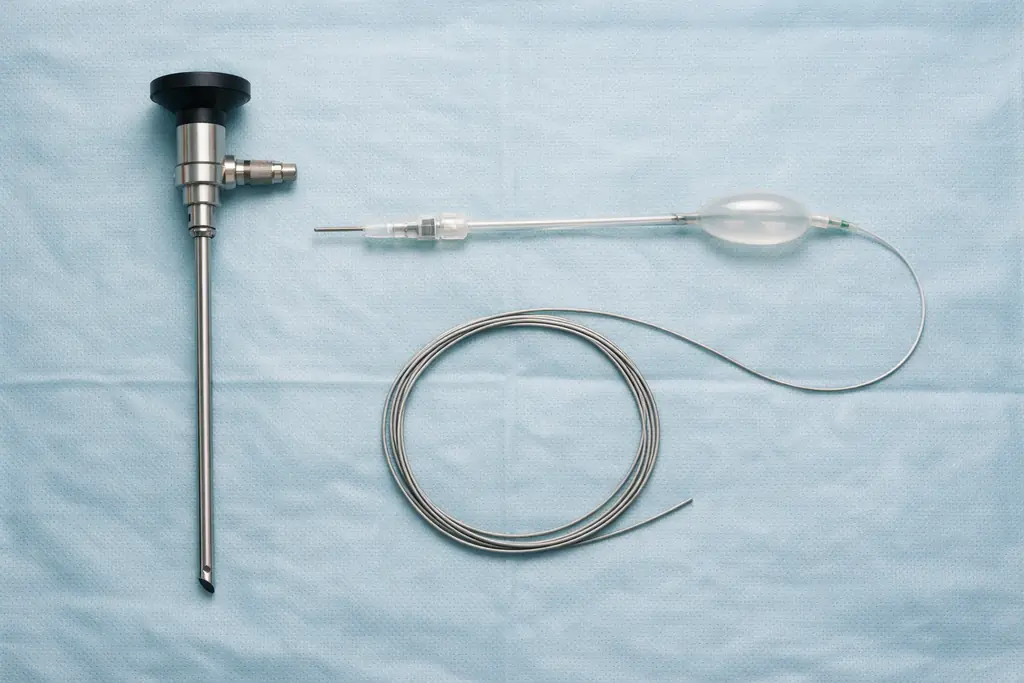
An evaluation usually includes your history and an exam of the nose. A nasal endoscopy, with a thin camera passed gently into the nose after numbing spray, shows the septum, turbinates and sinus openings and can reveal polyps that can't be seen otherwise. A CT scan may be ordered if chronic sinusitis or surgery is being considered, and allergy testing can identify triggers.
What you can do at home
- Saline rinsesClear mucus and allergens. Use distilled, sterile or previously boiled water.
- Nasal steroid spraysUse daily and aim slightly away from the septum, as directed.
- A humidifier in dry monthsClean it regularly to prevent mold.
- Avoid smoke and strong irritants
- Limit decongestant sprays to a few days
Congestion, snoring and sleep
A blocked nose often gets worse at night, when lying down increases swelling in the nasal lining. Mouth breathing, a dry throat in the morning, snoring and restless sleep can follow. Improving nasal airflow often makes sleep more comfortable.
- Raise the head of the bedAn extra pillow or a wedge can ease nighttime congestion and post-nasal drip.
- Rinse before bedClearing mucus and allergens before sleep can open the airway.
- Try adhesive nasal stripsThey gently lift the sides of the nose and help some people breathe more easily.
- Keep pets out of the bedroomIf you're allergic to them, this reduces overnight exposure.
Loud snoring with pauses in breathing, gasping or choking at night, or significant daytime sleepiness can be signs of obstructive sleep apnea. Talk with your doctor about those symptoms, because sleep apnea needs its own evaluation.
When congestion affects smell and taste
Much of what we call taste is actually smell, so a blocked nose can make food seem bland. Swelling, polyps and chronic sinusitis are common reasons smell fades. Treating the inflammation often brings some or all of it back, though recovery can be slow. A sudden or complete loss of smell, or smell loss without congestion, is worth mentioning specifically at your visit, since it can have other causes.
More to know
It's common for more than one cause to be present at the same time. For example, someone may have a deviated septum that narrows one side, allergies that swell the turbinates, and a habit of relying on a decongestant spray to get through the night. Treating only one piece often brings partial relief, which is why a full exam is worthwhile. Once the causes are clear, treatment can be staged, starting with the least invasive options and moving to procedures only when they're needed. Bring a list of every nasal spray and allergy medicine you use, including how often, so your doctor can see the full picture.
Getting your nose evaluated in Granbury or Weatherford
Texas Sinus and Allergy uses advanced sinus diagnostic equipment to look for the cause of chronic congestion and offers minimally invasive sinus surgery and balloon sinuplasty when they're appropriate. Read our guides to chronic sinusitis and balloon sinuplasty in Granbury, or call 682-936-4081 to book.
Frequently asked questions
Why is my nose always stuffy on one side?
The nasal lining naturally alternates sides, but constant blockage on one side often points to a deviated septum, an enlarged turbinate or a polyp. A nasal exam can tell the difference.
Can a deviated septum be fixed without surgery?
Medications can reduce swelling and improve symptoms, but they can't straighten the septum. When symptoms are significant, septoplasty is the standard treatment.
Are nasal polyps cancer?
Typical nasal polyps are non-cancerous. One-sided growths, bleeding or pain should be examined, because they need a closer look.
Is it bad to use Afrin every day?
Decongestant sprays like oxymetazoline are labeled for no more than three days. Longer use can cause rebound congestion. Talk with your doctor about stopping safely.
What does a nasal endoscopy feel like?
After a numbing and decongestant spray, a thin scope is passed into the nose. Most people feel pressure or a tickle rather than pain, and it takes only a few minutes.
Questions about your symptoms?
Dr. Bhaloo sees patients in Granbury Tuesday through Friday and in Weatherford on Mondays. One number books both offices.
This article is for general information, not medical advice. Please see a physician for diagnosis and treatment.