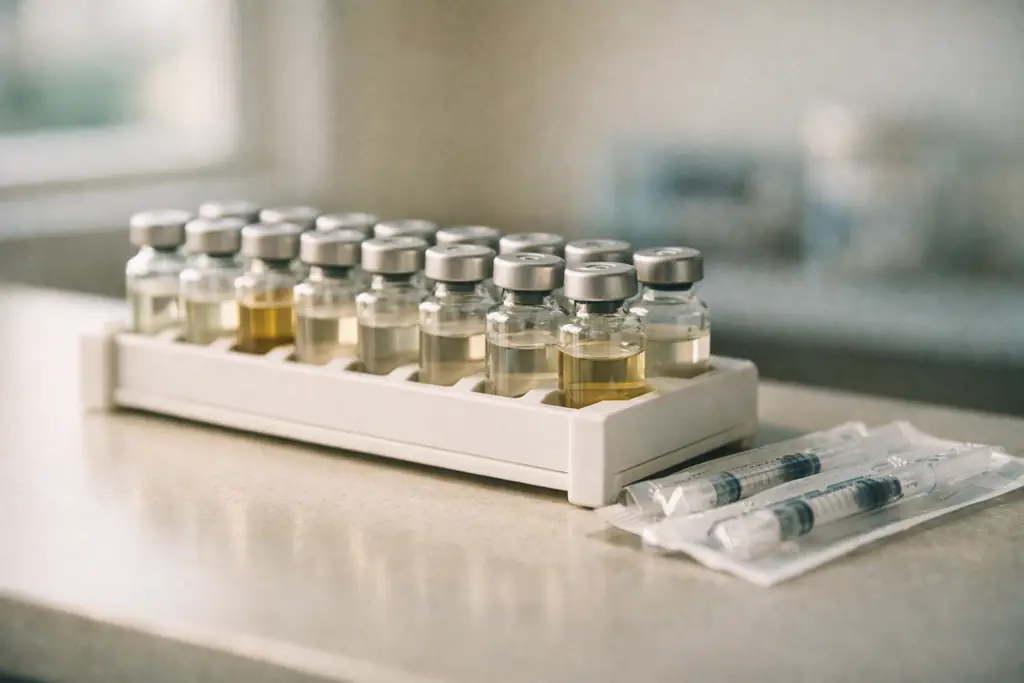
Allergy testing shows exactly what you're allergic to, usually with a skin test or a blood test. Allergy shots (subcutaneous immunotherapy) then expose your immune system to gradually larger doses of those allergens, so that over months to years your body reacts less. For people whose symptoms aren't controlled with medication, immunotherapy is the one treatment that changes the allergy itself.
Why get tested
Allergic rhinitis, often called hay fever, causes sneezing, a runny or stuffy nose, itchy eyes and post-nasal drip. Many people manage it with antihistamines and nasal sprays. Testing becomes worthwhile when symptoms last much of the year, when medicine isn't enough or causes side effects, when allergies seem to trigger sinus infections or asthma, or when you're considering allergy shots.
Knowing your specific triggers also makes avoidance practical. Dust mites, pet dander, mold and pollen each call for different steps, and in North Texas, where mountain cedar, oak, grasses and ragweed peak at different times, the results help explain why symptoms flare in certain months. Our post on North Texas allergy seasons covers the local calendar.
Skin testing
Skin testing is the most common method. Tiny amounts of allergen extracts are introduced into the skin, usually on the forearm or back. A skin prick test places a drop of each extract on the skin and lightly pricks the surface; intradermal testing injects a small amount just under the skin. After about 15 to 20 minutes, a raised, itchy bump (a wheal) shows a reaction.
- Stop antihistamines beforehandThey block skin test reactions. You'll be told how many days before testing to stop them. Don't stop prescription medicines without checking with your doctor.
- Mention all medicationsSome antidepressants, beta blockers and other drugs can affect testing or its safety.
- Expect some itchingPositive spots usually fade within a few hours.
Blood testing
A blood test measures allergen-specific IgE antibodies. It is useful when skin testing isn't practical, for example with widespread eczema, when someone can't stop antihistamines, or with certain medications. Blood tests and skin tests are interpreted alongside your symptoms; a positive result alone doesn't prove that an allergen causes your problems.
How allergy shots work
Allergy shots are made from the specific allergens that your testing and history identify. By giving gradually increasing doses, immunotherapy shifts how the immune system responds, so exposure causes fewer and milder symptoms. According to the American Academy of Allergy, Asthma and Immunology (AAAAI), shots can reduce symptoms of allergic rhinitis, allergic conjunctivitis and allergic asthma, and benefits can last after treatment ends.
The schedule: build-up and maintenance
- Build-up phaseShots are given regularly, often one to two times a week, with the dose increased gradually. This phase commonly lasts several months.
- Maintenance phaseOnce the target dose is reached, shots are spaced out, often every few weeks.
- Total lengthThe AAAAI notes maintenance usually continues for three to five years for lasting benefit.
Some people notice improvement during the build-up phase; for others it takes longer. Consistency matters, because missed shots can mean repeating doses.
Safety
The most common side effect is redness, swelling or itching where the shot is given. Less often, people have sneezing, congestion or hives. Rarely, a shot can trigger a serious allergic reaction (anaphylaxis). That is why shots are given in a medical office and patients are asked to wait there for a period afterward, commonly about 30 minutes, so any reaction can be treated right away.
Tell the staff before each shot if you've been sick, had an asthma flare or started a new medication.
Who benefits most
- People with year-round or long-season symptomsEspecially with several pollen, dust mite or pet allergies.
- People who don't get enough relief from medicineOr who want to rely less on daily medication.
- People whose allergies drive sinus or asthma problemsControlling allergies can reduce those flare-ups.
For some specific allergies, such as grass, ragweed and dust mite, the FDA has approved tablets that dissolve under the tongue. Your doctor can explain whether shots or another approach fits your situation.
Everyday steps that still help
- Check pollen countsKeep windows closed on high-pollen days and run the air conditioning.
- Shower and change after time outdoorsPollen clings to hair and clothing.
- Wash bedding weekly in hot waterAnd consider dust-mite covers for pillows and mattresses.
- Use saline rinsesTo wash allergens from the nasal passages.
Allergies, a cold or a sinus infection?
The symptoms overlap, which is why many people treat the wrong thing for weeks. A few clues help tell them apart:
- ItchingItchy eyes, nose or throat point strongly toward allergies. Colds rarely itch.
- Fever and body achesCommon with colds and the flu, and sometimes with sinus infections, but not with allergies.
- How long it lastsA cold usually improves within about a week to ten days. Allergies last as long as you're exposed, often weeks or months.
- TimingSymptoms that return at the same time each year, or flare outdoors, around pets or when dusting, suggest allergies.
- DrainageAllergies tend to cause clear, watery drainage. Thick discolored drainage with facial pain is more typical of a sinus infection.
- Response to antihistaminesAllergy symptoms often ease with antihistamines; cold symptoms usually don't change much.
Allergies and asthma are also closely connected. For many people, nasal allergies and asthma flare together, and the American Academy of Allergy, Asthma and Immunology notes that allergy shots can reduce allergic asthma symptoms. If you have asthma that worsens in certain seasons, mention it at your visit, because treating the nose is often part of controlling the chest.
Allergies can also block the small tubes that connect the middle ears to the back of the nose, which may cause ear fullness or popping.
More to know
Testing results are most useful when they're read alongside your history. A positive test to a plant that doesn't pollinate when you have symptoms may not matter much, while a strong reaction to something you're exposed to every day, like dust mites or a pet, often explains year-round congestion.
Allergy care in Granbury and Weatherford
Texas Sinus and Allergy offers on-site allergy testing and allergy shots. Dr. Salim Bhaloo is a Fellow of the American Academy of Otolaryngic Allergy, an organization focused on allergy care within otolaryngology, and the practice reports giving more than 20,000 allergy shots over the years. See our allergies guide, visit the Granbury office or Weatherford office pages, or call 682-936-4081.
Frequently asked questions
How long do allergy shots take to work?
Some people notice improvement during the build-up phase, which often lasts several months. Fuller benefit usually develops during maintenance, which commonly continues for three to five years.
Do allergy shots hurt?
The needle is small and the shot goes just under the skin. Mild redness, itching or swelling at the site is common and usually fades within hours.
Do I need to stop my allergy medicine before testing?
Antihistamines need to be stopped for several days before skin testing because they block reactions. Ask the office for exact instructions, and don't stop prescription medicines without your doctor's advice.
Why do I have to wait after an allergy shot?
Serious reactions are rare but usually happen soon after a shot. Waiting in the office for a period afterward means any reaction can be treated right away.
Can children get allergy testing and shots?
Children can be tested and treated with immunotherapy in many cases. The decision depends on age, symptoms and medical history.
Questions about your symptoms?
Dr. Bhaloo sees patients in Granbury Tuesday through Friday and in Weatherford on Mondays. One number books both offices.
This article is for general information, not medical advice. Please see a physician for diagnosis and treatment.